
Do you want to go trekking but feel like a complete beginner? We’ve all been there, so don’t worry. This is the top guide to hiking for beginners, regardless of whether you’re planning your first major excursion or simply want to get outside and explore the hills. Whether it’s a leisurely day hike or a multi-day alpine trip, these ten crucial recommendations will help you gain confidence and enjoy the adventure, from packing the appropriate gear to being upbeat on the trail.
1. Pack light (But Include Some Favourite Snacks!)
One of the biggest mistakes new hikers make is overpacking. You really don’t need a fresh outfit for every day. Instead, choose lightweight, moisture-wicking fabrics (avoid cotton!) and pack just the essentials.
When you book a trip with Earth’s Edge, we send you a detailed packing guide tailored to your destination. Trust us, it’s all you need.
One extra worth making space for? Snacks! While all your meals are covered on our trips, having a few favourites in your daypack keeps energy levels up and morale high on long hiking days. Our top picks?
– Trail mix
– Protein bars
– Dried fruit or nut butter sachets
2. Invest in Quality Gear
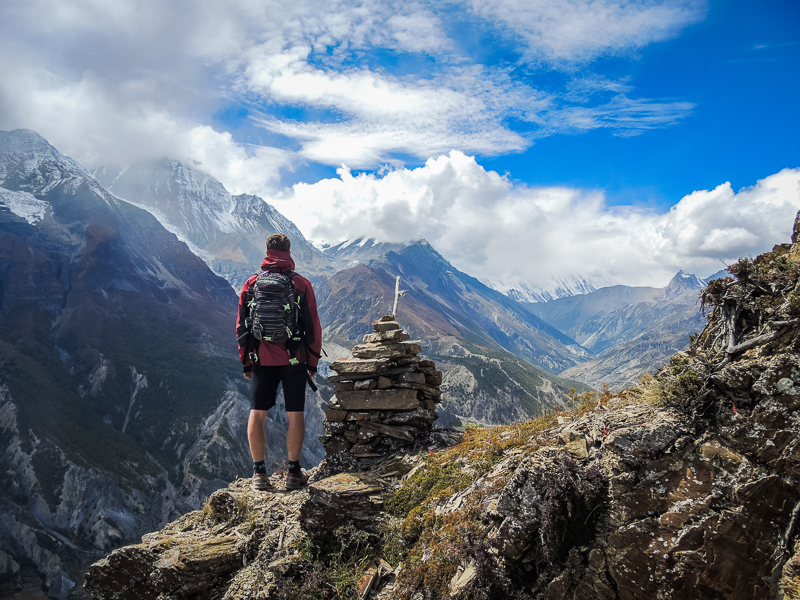
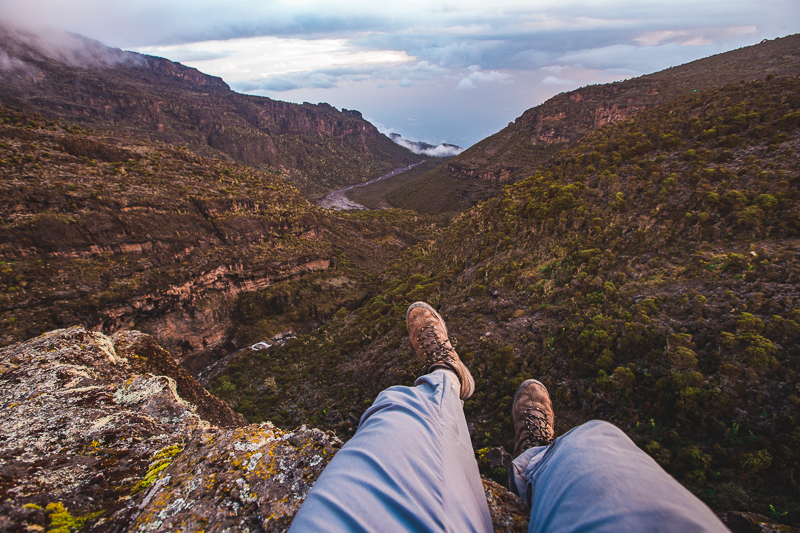
High-quality gear makes a huge difference, especially when it comes to hiking boots and sleeping bags. Trust us when we say it’s worth paying a little extra to get equipment that fits well and performs in tough conditions. Cold nights and painful blisters can turn an epic trip into a miserable one.
Shops like our equipment partner The Great Outdoors in Dublin have knowledgeable staff who can help you find gear that’s right for you. Whether you’re heading out for a day hike or a high-altitude trek, quality gear will last you many trips to come.
3. Bring a Small First Aid Kit
You don’t need to carry a full pharmacy on your back. On all Earth’s Edge expeditions, a professional doctor is part of the team, so you’re in safe hands. But, packing a few of your own essentials is smart:
– Paracetamol
– Dioralyte (for hydration)
– Plasters
– Any personal medication you require
4. Use Walking Poles
If you’ve never used trekking poles before, they might feel a little awkward at firs, but don’t skip them. Poles reduce pressure on your knees and improve balance, especially on uneven terrain. After an hour or two, you’ll wonder how you ever hiked without them!
5. Expect All Kinds of Weather
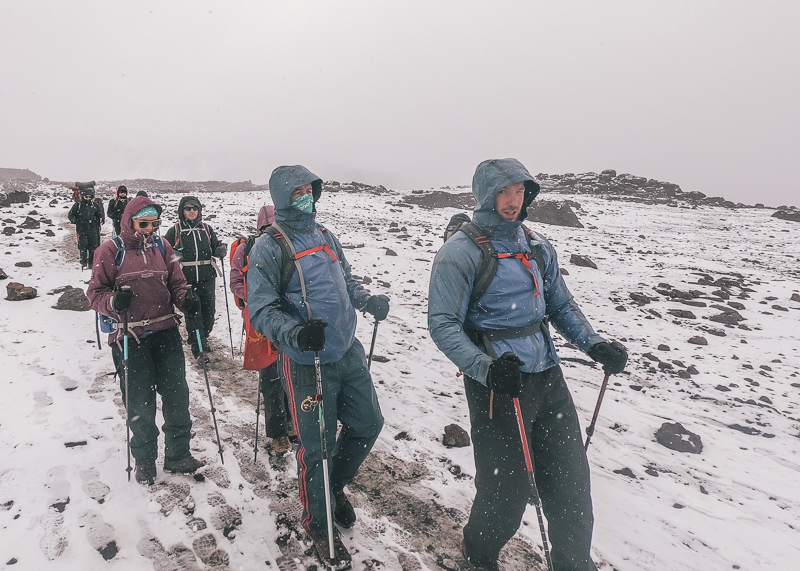
Whether you’re hiking in Ireland or the Himalayas, mountain weather changes fast. It’s possible to experience sunshine, wind, rain and snow all in a single day. That’s why layering is key. Think: a breathable base layer, a warm insulating layer, and a waterproof outer shell. You can add or remove layers as the weather changes to stay warm, dry, and comfortable all day long.
6. Be Open and Make Friends
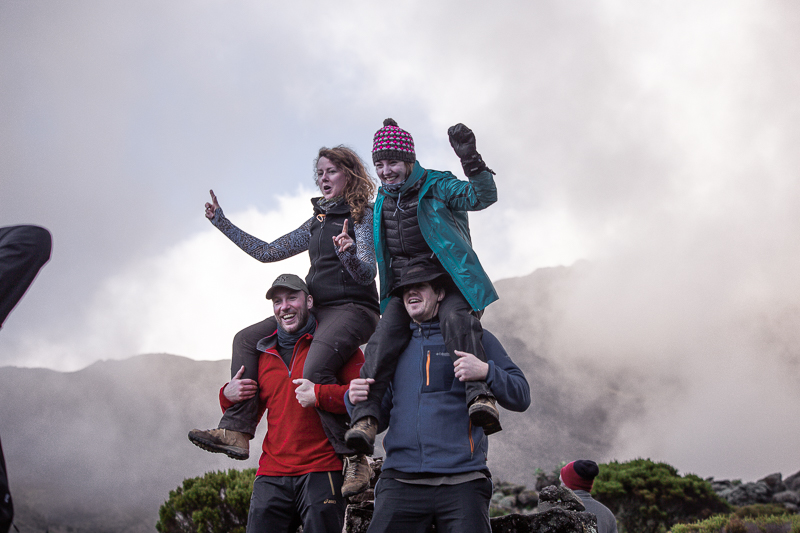
One of the best part of joining a small group trek is the people you’ll meet. Let go of any nerves and just say “Hi!” You’ll meet fellow hikers from all walks of life, and you might even leave the mountains with new lifelong friends.
7. Take Your Time – It’s Not a Race
This isn’t a competition and there’s (usually!) no chocolate cake waiting for you at the top. Hiking is about presence and patience, so don’t rush. The goal is to soak in the views and enjoy the journey. Take in the scenery. Breathe deeply. Appreciate where you are. Chances are you won’t be here again.
8. Stay Fresh: Trail Hygiene & Self-Care
Let’s talk about one of the biggest beginner worries – toilets! On expedition, you’ll find everything from flushing loos to simple squat toilets, depending on your route. It’s all part of the adventure and gets easier every day!
But hygiene on the trail goes beyond bathroom stops. With a few small items, you can stay surprisingly fresh and feel more like yourself at the end of each day:
– A small “toilet kit” in a ziplock bag with toilet paper, biodegradable wet wipes and hand sanitizer. These are perfect for freshening up when showers aren’t available too!
– A quick-dry travel towel and lightweight soap come in handy in tea houses with wash basins.
– For women, it’s important to bring some period products as altitude can affect your menstrual cycle
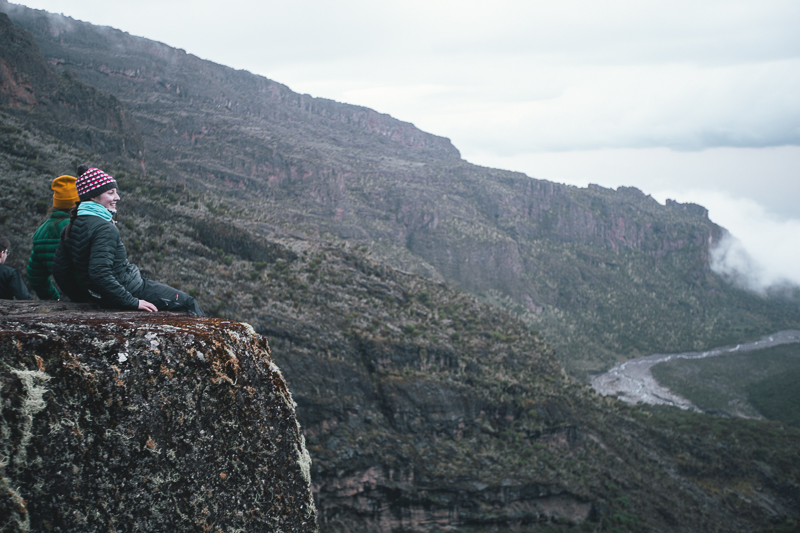
9. Stay Positive – It’s Mind Over Matter
Yes, hiking can be a tough physical challenge. But, with determination and the right mindset, you’ll surprise yourself! A positive attitude and a bit of grit will take you further than you think.
10. Hydration is Everything
Dehydration is one of the biggest contributors to altitude sickness and fatigue. Aim to drink around 4 litres of water per day, especially at higher elevations. We recommend using a hydration bladder as it makes it super simple to sip as you go, without having to stop and rummage around for your bottle.